


- Feed de notícias
- EXPLORAR
- Páginas
- Grupos
- Eventos
- Reels
- Blogs
- Marketplace
- Funding
- Offers
- Jobs
- Courses
- Fóruns
- Filmes
- Jogos
- Developers
- Merits
-
 The Holy Bible: Read, Listen, Watch — All Versions, Concordance & Study Tools
-
 A.D. The Bible Continues - 01 - The Tomb Is Open
-
 New! Daily Confessions ~ Christian Audio Bible Study MP3 Series
-
 CHRISTIAN LIBRARY
-
 Donate | $
-
 Donate | Crypto
-
 Sobre
Sobre
-
 Terms & Conditions
-
 Privacidade
-
 Earn Online
Attic Mold Removal Protect Your Home From Mold
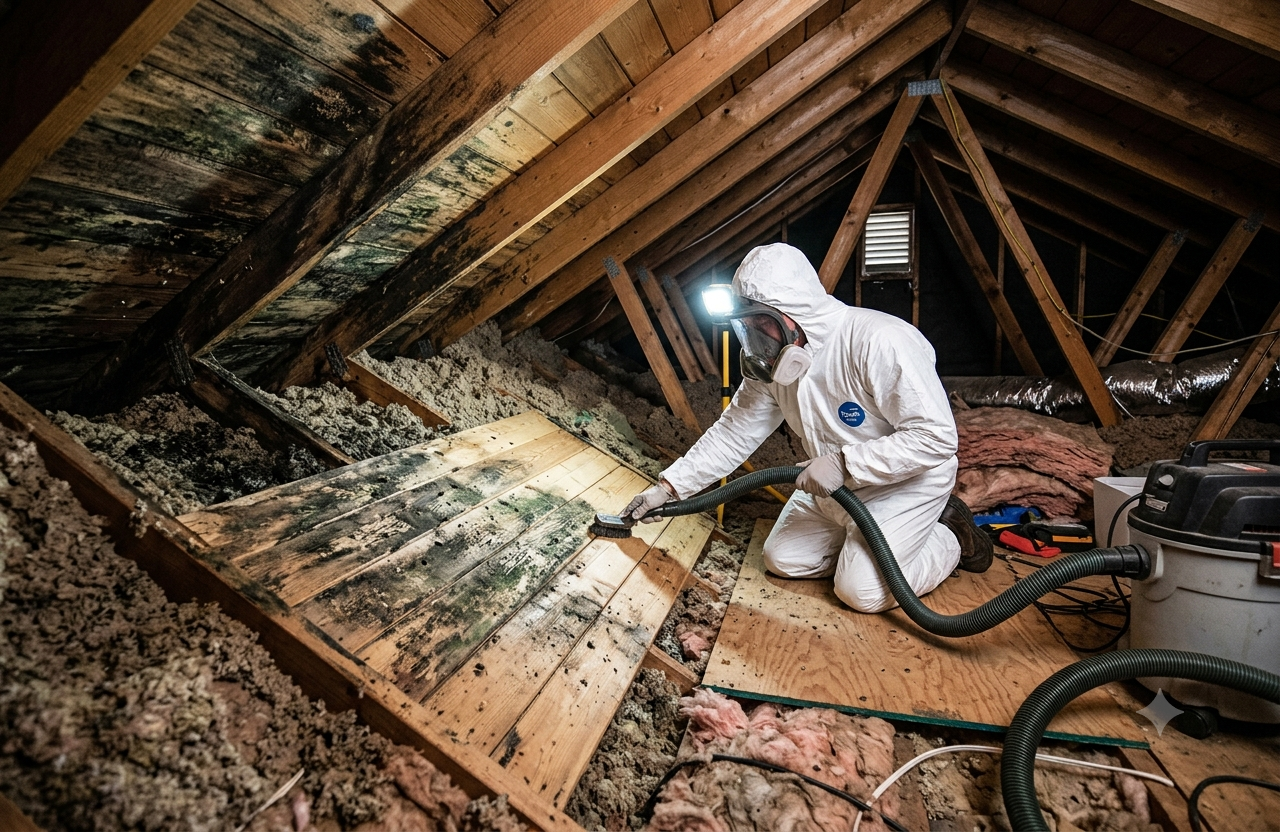
Attic mold is one of the most overlooked problems homeowners face. Because attics are rarely visited, mold can grow unnoticed for months or even years. By the time visible signs appear, the mold may have already damaged wood, insulation, and indoor air quality.
Attic mold removal is an essential service that eliminates mold growth while addressing the underlying causes that allowed it to develop. Proper removal not only restores the attic but also protects the rest of the home from future contamination.
This guide explains why attic mold develops, how professionals remove it, the benefits of timely remediation, and the best ways to prevent mold from returning.
What Is Attic Mold
Attic mold is a type of fungal growth that develops when moisture accumulates in the attic. Mold thrives in dark, humid environments where organic materials such as wood framing, plywood, and insulation provide a food source.
Although mold may appear as black, green, white, or gray patches, its appearance alone does not determine the species. Professional testing is often required for identification when necessary.
Common areas where attic mold develops include:
- Roof sheathing
- Wooden rafters
- Ceiling joists
- Insulation
- Around roof vents
- Near bathroom exhaust outlets
Ignoring attic mold allows it to spread further throughout the structure.
What Causes Attic Mold Growth
Understanding the causes of mold helps homeowners prevent future outbreaks after attic mold removal.
Poor Ventilation
Attics require continuous airflow to remove excess moisture. Blocked soffit vents, damaged roof vents, or inadequate ventilation trap humid air inside the attic.
Without proper airflow, condensation forms on wood surfaces, creating ideal conditions for mold.
Roof Leaks
A damaged roof allows rainwater to enter the attic. Even small leaks can keep wood damp for extended periods, encouraging mold growth.
Leaks often occur around:
- Chimneys
- Flashing
- Skylights
- Roof valleys
- Missing shingles
Bathroom Exhaust Vent Problems
Many older homes have bathroom fans that vent directly into the attic rather than outside the house.
Warm, moist air released into the attic dramatically increases humidity and often leads to widespread mold.
Insufficient Insulation
Poor insulation creates temperature differences between living spaces and the attic.
Warm indoor air rises into the attic where it cools, producing condensation on wooden surfaces.
High Indoor Humidity
Daily activities such as cooking, showering, washing clothes, and using humidifiers increase moisture inside the home.
Without proper ventilation, this moisture eventually reaches the attic.
Signs You Need Attic Mold Removal
Many homeowners never enter their attic regularly, making early detection difficult.
Common warning signs include:
- Dark stains on roof decking
- Musty odors throughout the home
- Visible mold patches
- Water stains on wood
- Damp insulation
- Increased allergy symptoms
- Peeling paint on ceilings
- Persistent condensation
A professional inspection can determine the extent of mold growth before serious structural damage occurs.
Why Professional Attic Mold Removal Is Important
Removing mold yourself may seem like a cost-saving option, but DIY cleaning often spreads mold spores throughout the home.
Professional attic mold removal provides several advantages.
Complete Mold Removal
Professionals remove mold from affected materials using specialized equipment designed for safe remediation.
This prevents spores from becoming airborne and contaminating other areas.
Identifying Moisture Sources
Simply cleaning mold is not enough.
Experts identify moisture problems including:
- Roof leaks
- Ventilation issues
- Condensation
- Plumbing leaks
Correcting these problems prevents mold from returning.
Improved Indoor Air Quality
Mold spores can circulate through HVAC systems into living spaces.
Professional removal reduces airborne contaminants, helping create healthier indoor air.
Protecting Structural Components
Attic mold can weaken:
- Roof decking
- Wooden rafters
- Ceiling joists
- Insulation
Early remediation prevents expensive structural repairs.
How Professionals Perform Attic Mold Removal
Professional mold remediation follows a systematic process.
Inspection
The first step involves inspecting the attic to determine:
- Mold location
- Moisture sources
- Extent of contamination
- Structural damage
Moisture meters and thermal imaging may be used during the inspection.
Containment
Affected areas are isolated using plastic barriers and negative air pressure systems.
Containment prevents spores from spreading throughout the house.
Mold Removal
Depending on contamination levels, professionals may:
- HEPA vacuum surfaces
- Remove contaminated insulation
- Scrub affected wood
- Apply specialized cleaning agents
- Sand damaged wood when necessary
Antimicrobial Treatment
After cleaning, antimicrobial products help eliminate remaining mold spores.
These treatments also reduce the chance of future mold growth.
Drying the Attic
Industrial air movers and dehumidifiers dry all affected materials.
Dry wood is less likely to support future mold development.
Prevention Recommendations
After completing attic mold removal, professionals recommend improvements such as:
- Better ventilation
- Roof repairs
- Additional insulation
- Bathroom vent corrections
- Moisture control strategies
Benefits of Attic Mold Removal
Timely mold removal offers numerous long-term benefits.
Healthier Living Environment
Reducing mold spores can improve indoor air quality and minimize respiratory irritation for occupants.
Protects Property Value
Visible mold may discourage buyers and lower property value.
A clean attic improves confidence during home inspections.
Prevents Expensive Repairs
Removing mold early helps prevent:
- Roof replacement
- Wood rot
- Insulation damage
- Ceiling repairs
Improves Energy Efficiency
Dry insulation performs more efficiently than damp insulation.
Proper attic conditions reduce heating and cooling costs.
Extends Roof Lifespan
Healthy roof structures last longer because moisture damage is minimized.
Can Homeowners Remove Attic Mold Themselves
Small surface stains may appear manageable, but attic mold often extends deeper than visible growth.
DIY cleaning frequently:
- Misses hidden mold
- Spreads spores
- Fails to solve moisture issues
- Creates health risks
Professional attic mold removal is the safest option for moderate or extensive contamination.
How to Prevent Attic Mold
Preventing mold is much easier than removing it.
Follow these preventive measures:
Improve Ventilation
Ensure attic vents remain open and unobstructed.
Repair Roof Leaks Quickly
Inspect your roof after storms and repair leaks immediately.
Vent Bathroom Fans Outdoors
Never allow bathroom exhaust fans to vent into the attic.
Maintain Proper Insulation
Adequate insulation reduces condensation during seasonal temperature changes.
Control Indoor Humidity
Keep indoor humidity between 30% and 50%.
Schedule Annual Attic Inspections
Routine inspections identify moisture problems before mold develops.
How Often Should Attics Be Inspected
Most experts recommend inspecting the attic once each year.
Additional inspections should occur after:
- Severe storms
- Roof repairs
- Water leaks
- Ice dam formation
- High humidity events
Regular inspections allow early intervention before mold spreads.
Choosing the Right Attic Mold Removal Company
Selecting experienced professionals ensures safe and effective remediation.
Look for companies that:
- Have certified mold remediation technicians
- Perform detailed inspections
- Use HEPA filtration equipment
- Address moisture sources
- Provide written remediation plans
- Offer preventive recommendations
Choosing qualified professionals delivers long-term protection for your home.
Conclusion
Attic mold can silently damage your home while affecting indoor air quality and structural integrity. Investing in professional attic mold removal eliminates existing contamination, resolves moisture issues, and helps prevent future outbreaks.
Routine attic inspections, proper ventilation, roof maintenance, and humidity control all contribute to a healthier home. Addressing mold early saves money, protects your investment, and creates a safer living environment for your family.
By understanding the causes of attic mold and taking preventive action, homeowners can enjoy lasting peace of mind and maintain a clean, durable, and energy-efficient home.
 Portuguese (Brazil)
 English
 Arabic
 French
 Spanish
 Portuguese
 Deutsch
 Turkish
 Dutch
Dutch
 Italiano
 Russian
 Romaian
 Greek
Greek
